






















DIRECT FACTORY | EU WAREHOUSE | PFAS FREE

Sugarcane Bagasse Tableware & Food Containers

Plant & Plates supplies the full range of sugarcane bagasse products – plates, bowls, clamshells, meal trays and food containers. Direct from our manufacturing facility to wholesalers and food businesses across the EU.

What Is Sugarcane Bagasse?

Bagasse is the dry, fibrous residue left after sugarcane stalks are crushed for juice. Produced in enormous volumes by sugar mills worldwide, most of it is burned or discarded. We turn it into compostable tableware and food packaging instead.

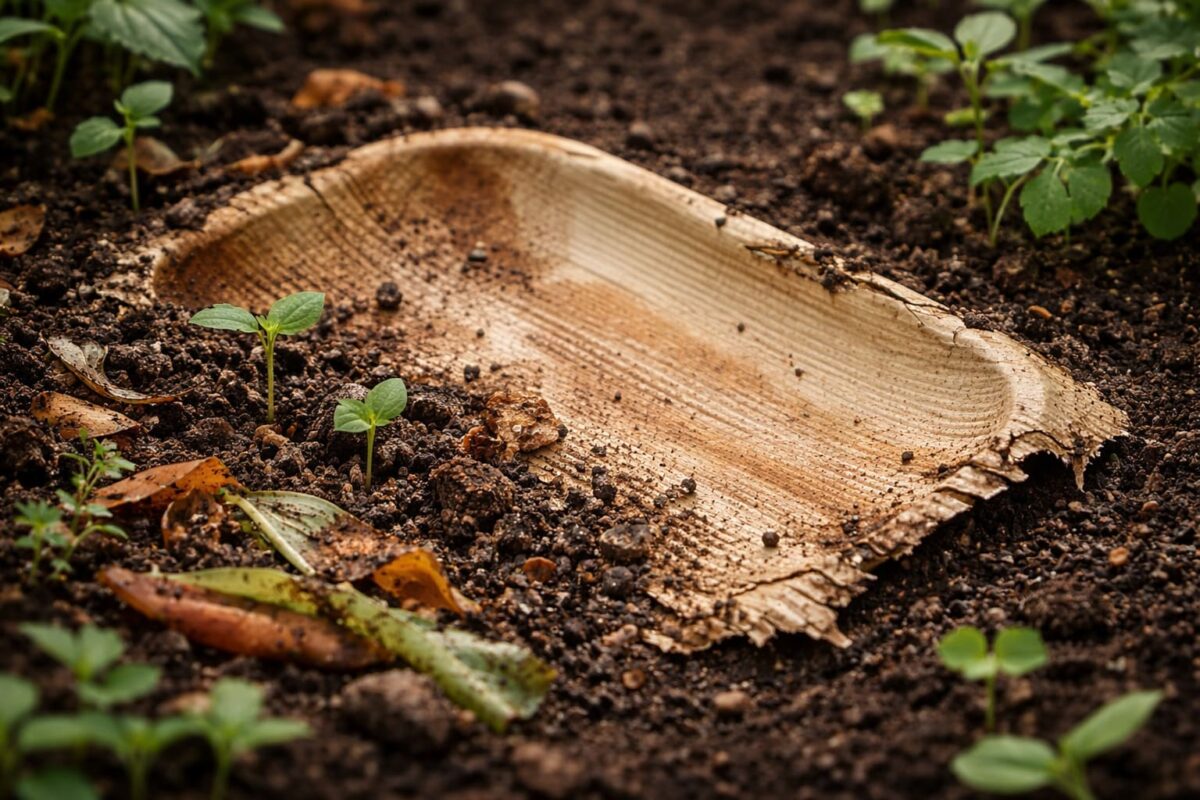
The result is a product range that is naturally strong, grease resistant, waterproof and fully compostable. No plastic, no chemical coatings, no PFAS. Just plant fibre, moulded under heat and pressure. After use, it breaks down in 60 to 90 days. No microplastics, no toxic residue.

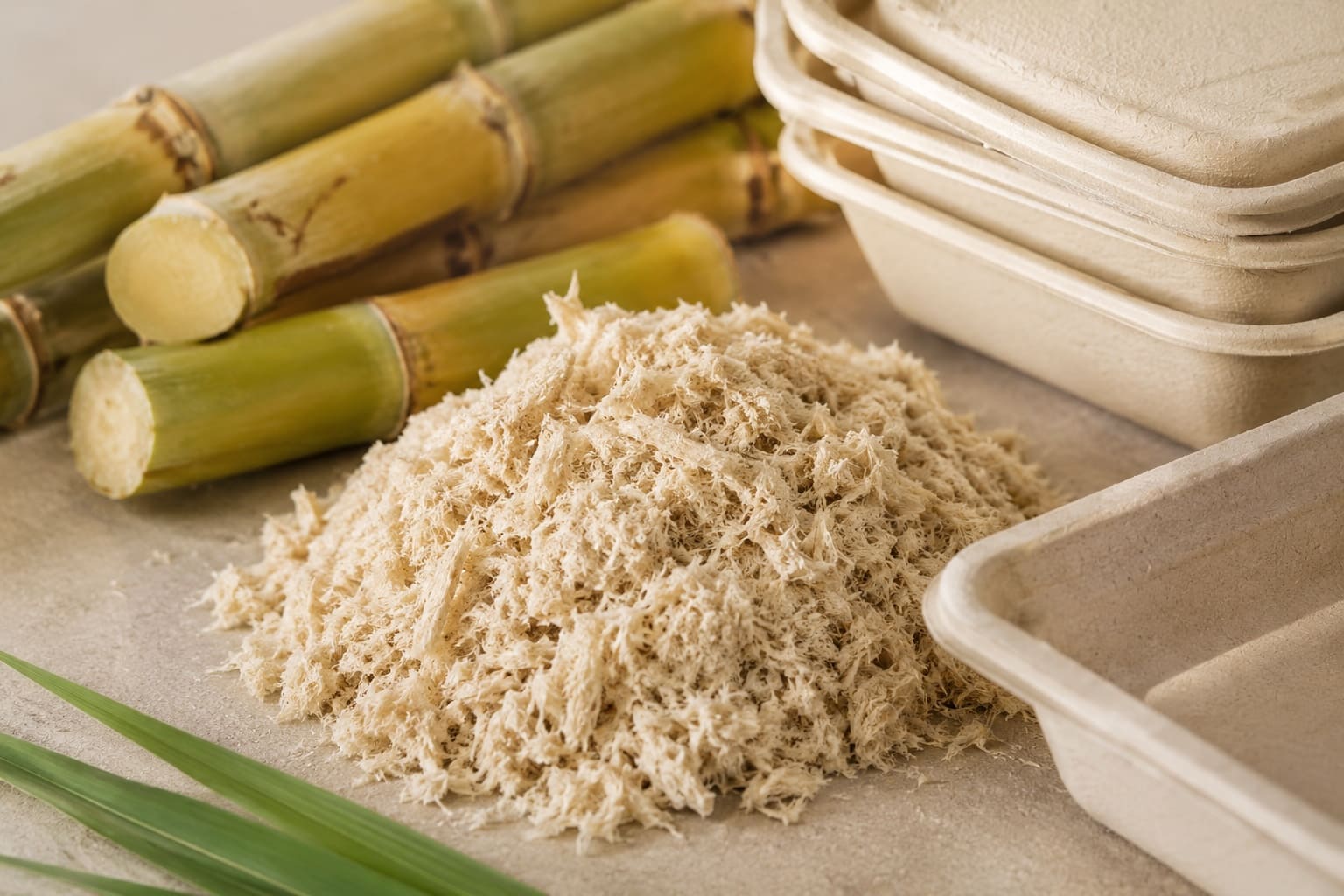
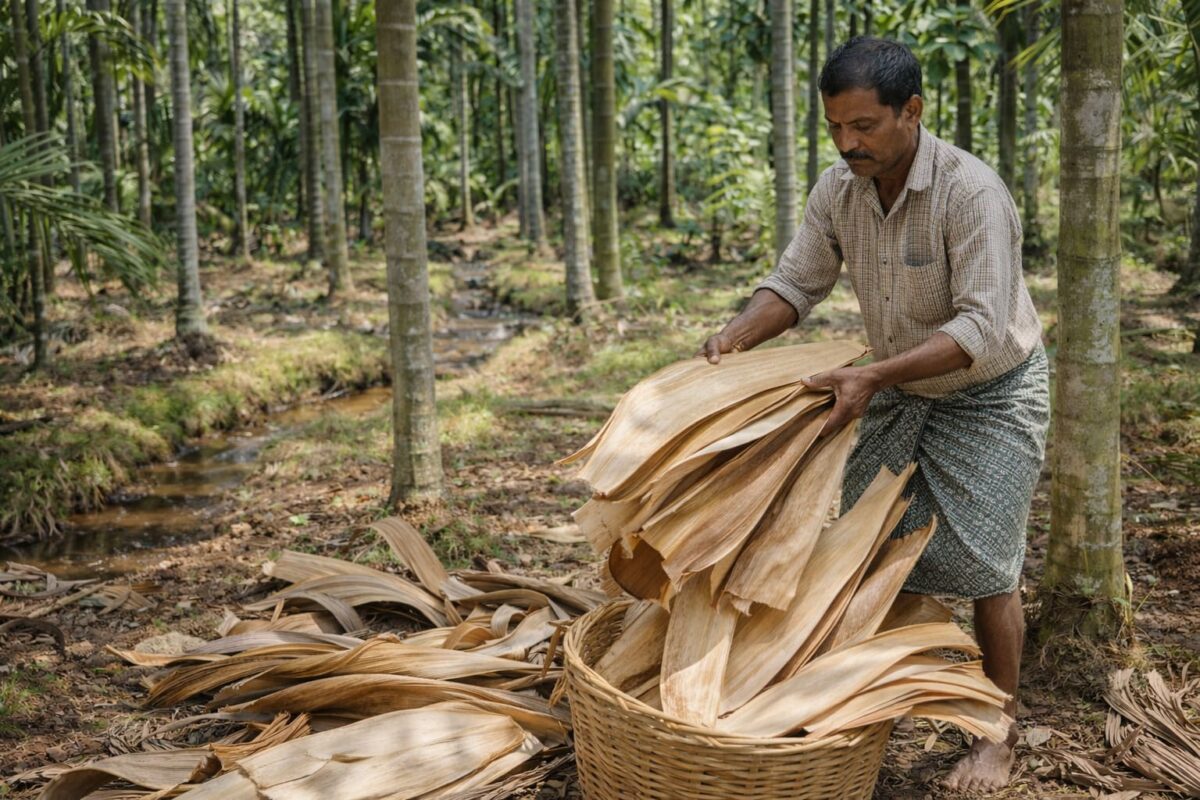
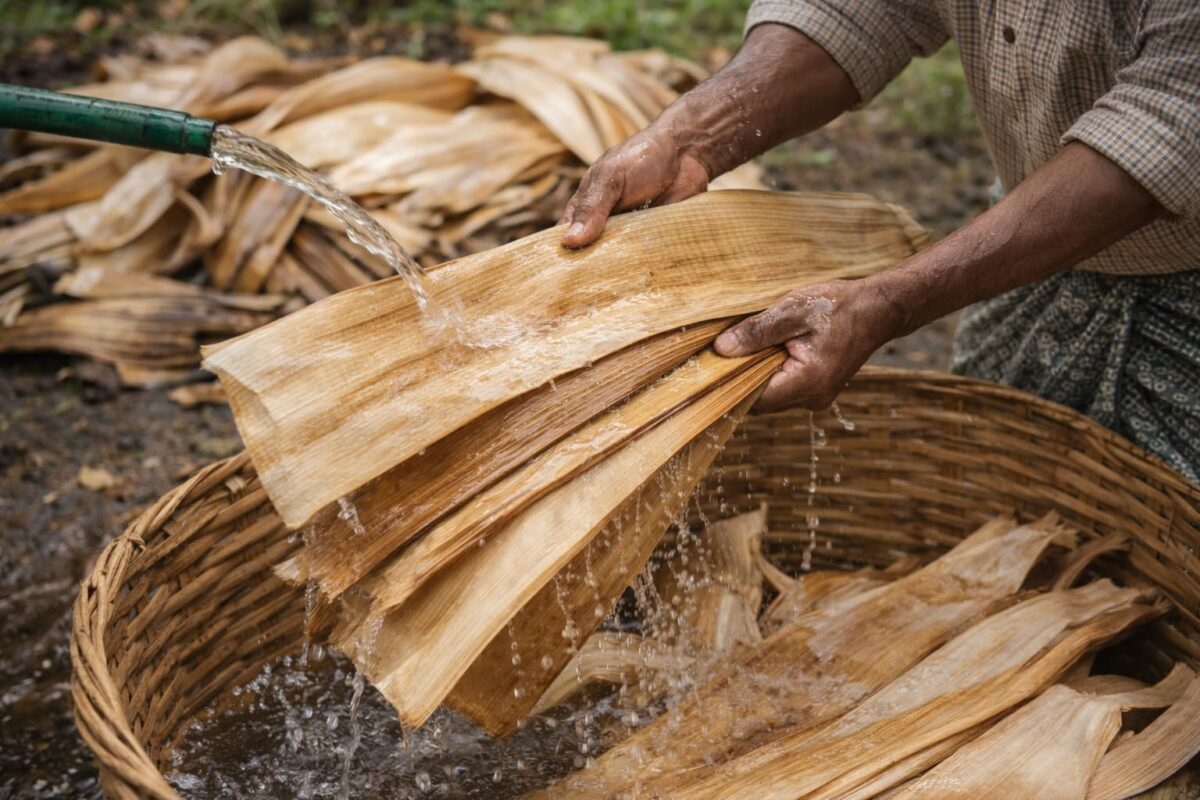
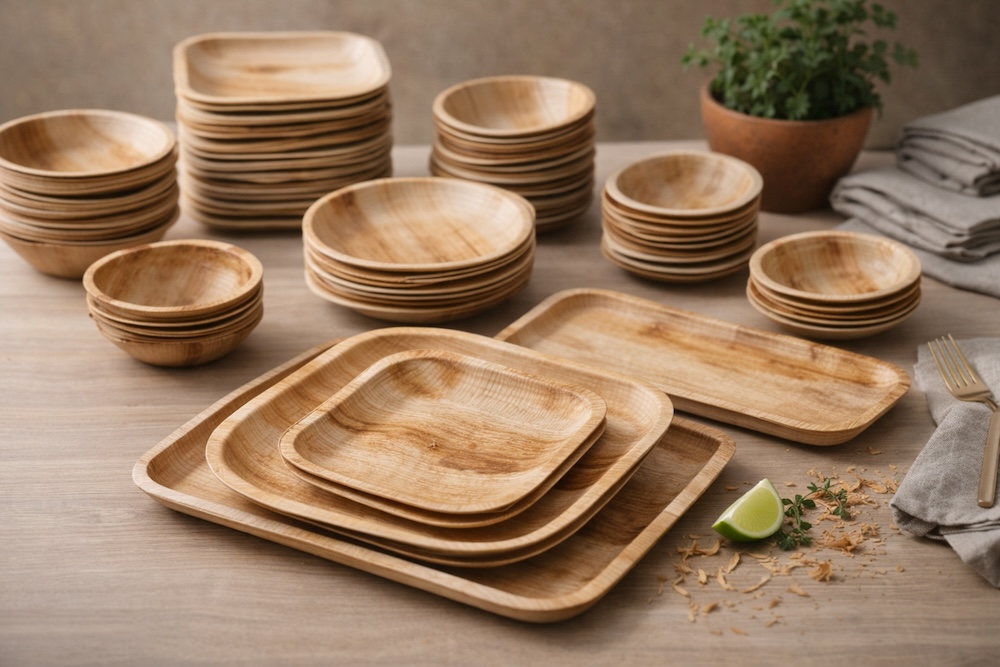
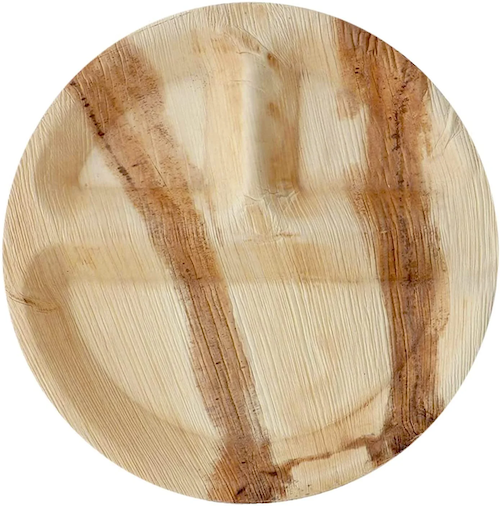
Sugarcane bagasse fibre used to manufacture compostable plates

Sugarcane Bagasse at a Glance

Key facts about our bagasse tableware and food packaging range.

100% Plant Based

Made from sugarcane fibre

Fully Compostable

60 to 90 days

PFAS Free

No forever chemicals

Heat Resistant

Microwave and oven safe

Branding

Customization available

EU Warehouse

Ships from NL and DE

The Complete Sugarcane Bagasse Product Range

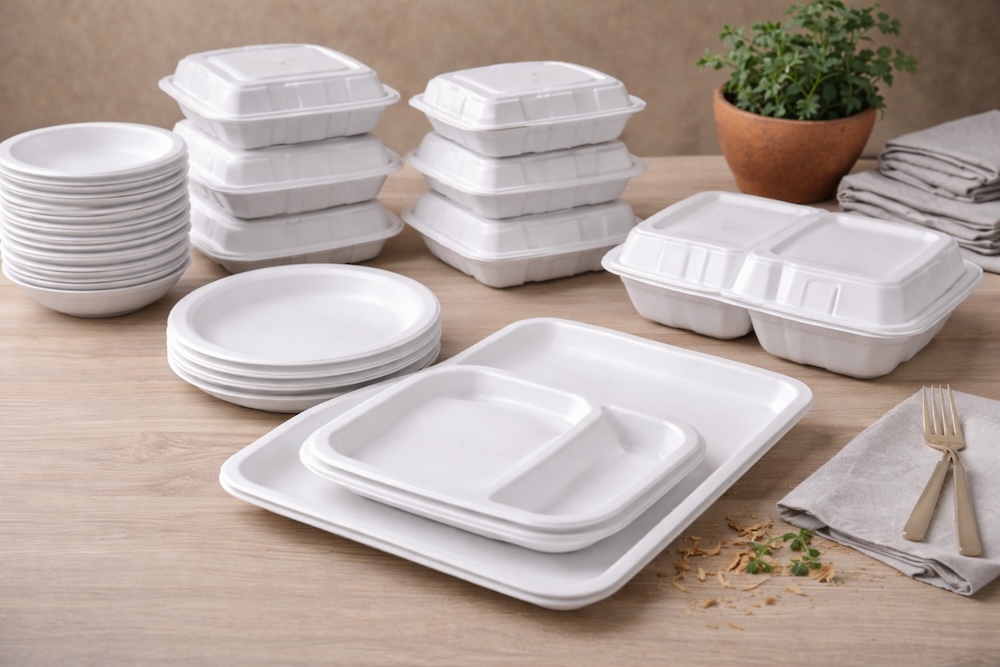
Our sugarcane bagasse range covers every disposable product category a food service business needs. From front-of-house plates and bowls to back-of-house containers and takeaway clamshells, every item is made from the same upcycled plant fibre and manufactured to the same standard.

Plates

Sugarcane Bagasse Plates

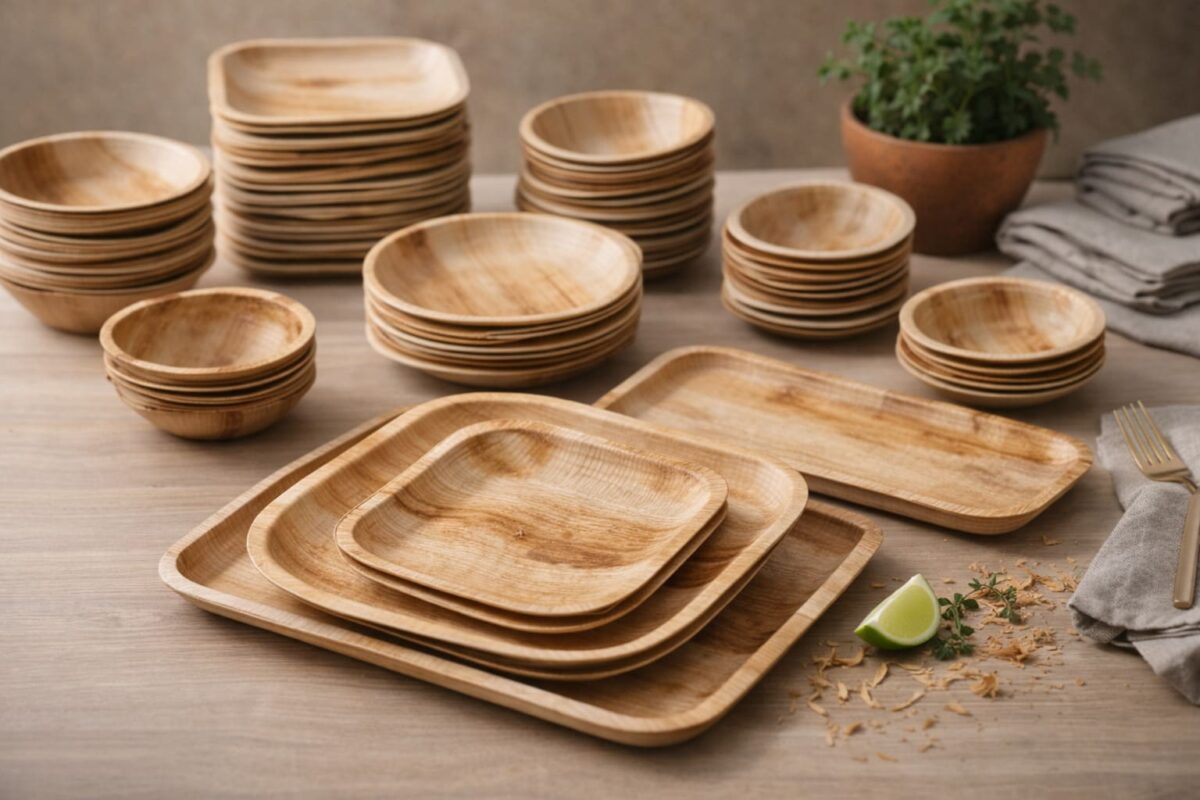
Round, oval, square and compartment plates in sizes from 15cm to 26cm. The smooth white finish presents food cleanly, while the reinforced rim structure prevents bending under heavy loads. Our plates handle main courses, desserts, buffet service and institutional catering without leaking or going soft.

Bowls

Sugarcane Bagasse Bowls

From 180ml sauce bowls through to 950ml salad and noodle bowls. Deep walls, stable base, grease and leak resistant. Our bagasse bowls hold soups, curries, porridge, grain bowls and salad dressings without softening or warping. Stackable for efficient storage and transport.

Clamshell Containers

Sugarcane Bagasse Clamshell Containers

Hinged takeaway containers in multiple sizes and configurations. Single compartment for burgers and wraps, multi-compartment for meal combos. The snap-shut hinge keeps food secure during transport. Grease resistant, leak proof and stackable. The go-to product for takeaway and delivery operations.

Food Containers with Lids

Sugarcane Bagasse Food Containers

Rectangular and round containers with matching lids for meal prep, delivery and deli service. Secure closure, microwave safe for reheating. Available in multiple sizes to suit individual portions through to family-size servings. Ideal for dark kitchens, cloud kitchens, catering pre-packs and retail ready meals.

Meal Trays and Platters

Sugarcane Bagasse Meal Trays

Oval platters for buffet and sharing service. Multi-compartment trays for canteen and institutional catering. Rectangular trays for sandwich platters and event catering. All moulded from the same heavy-duty bagasse with reinforced edges for carrying stability.

See the full range. Feel the quality.

We will send you a sample pack covering our complete sugarcane bagasse range so you can test every product type with your own menu. No commitment, no minimum order.

Technical Specifications

A summary of material properties, performance ratings and supply details across our full sugarcane bagasse range.

Property

Details

Material

Sugarcane bagasse (pressed plant fibre)

Colour

Natural white (unbleached)

Product range

Plates, bowls, clamshells, food containers, meal trays, and more

Temperature resistance

-20°C to 220°C

Microwave safe

Yes

Oven safe

Yes, up to 220°C for short periods

Freezer safe

Yes

Grease and oil resistant

Yes, without coatings or liners

Waterproof

Yes, holds wet foods and sauces

Leak proof

Yes, across bowls, containers and clamshells

Chemical additives

None. No PFAS, BPA, bleach, dye or plastic coating

Compostability

100% compostable in 60 to 90 days (industrial composting)

Home compostable

Yes, though decomposition takes longer (3 to 6 months)

Shelf life

Up to 2 years when stored in dry, cool conditions

Customisation

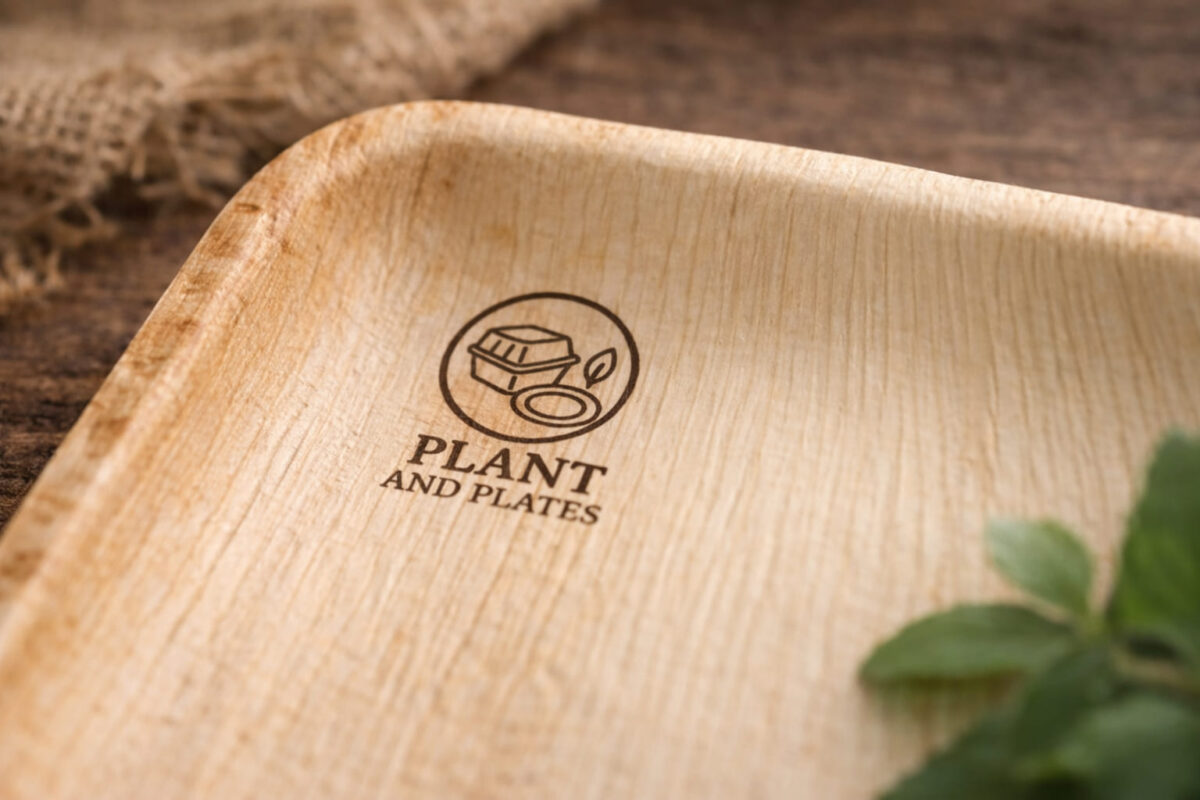
Branding options available [Laser Printing, Burn Mark, Embossing]

Packing

Shrink wrapped, boxed. Carton sizes vary by product

Minimum order

Contact us for MOQ based on product and customisation

Warehouse locations

Netherlands (Baarn) and Germany

Delivery

UK & EU wide shipping

The Business Case for Switching to Bagasse

Bagasse tableware has become the most widely adopted alternative to plastic and polystyrene disposables in the food service industry. The reasons are both practical and regulatory.

On performance, bagasse handles hot, cold, oily and wet food without leaking, bending or softening. It is microwave safe, oven safe to 220°C and freezer safe to -20°C. It works across every food service context from fine dining events to high-volume takeaway operations.

On cost, factory direct pricing at wholesale volumes brings bagasse to near parity with conventional plastic disposables. When you factor in the EU plastic packaging tax, rising disposal costs and the reputational risk of continuing with plastic, the economics favour switching now rather than later.

On compliance, the EU Packaging and Packaging Waste Regulation (PPWR) applies from August 2026 with PFAS limits of 25 ppb individual and 250 ppb total for all food contact packaging. The Single-Use Plastics Directive (SUPD) already restricts polystyrene food containers. Our entire bagasse range is PFAS free and PPWR aligned today. Switching now means your business is compliant before the deadline, not scrambling after it.

On sustainability, every tonne of bagasse tableware produced saves approximately 2.5 tonnes of wood compared to virgin paper alternatives. The raw material is an agricultural waste stream, not a purpose-grown crop. From sourcing to composting, the carbon footprint is a fraction of petroleum-based packaging.

How Sugarcane Bagasse Tableware & Food Containers are made

Every product in our sugarcane range follows the same manufacturing process. From agricultural byproduct to finished tableware, here is how bagasse becomes the packaging your business relies on.

Sourcing the raw material

Sugarcane bagasse is collected from sugar mills after juice extraction. This fibrous residue is an agricultural byproduct, not a purpose-grown crop. Using it for tableware diverts waste from burning and landfill while creating a product from a material that would otherwise have no commercial value.

Cleaning and pulping

The raw bagasse is washed to remove residual sugars, dirt and impurities. It is then broken down into a fine, uniform pulp using water and mechanical processing. No chemical solvents, bleaching agents or synthetic additives are used at this stage. The pulp is natural, unprocessed plant fibre.

Moulding under heat and pressure

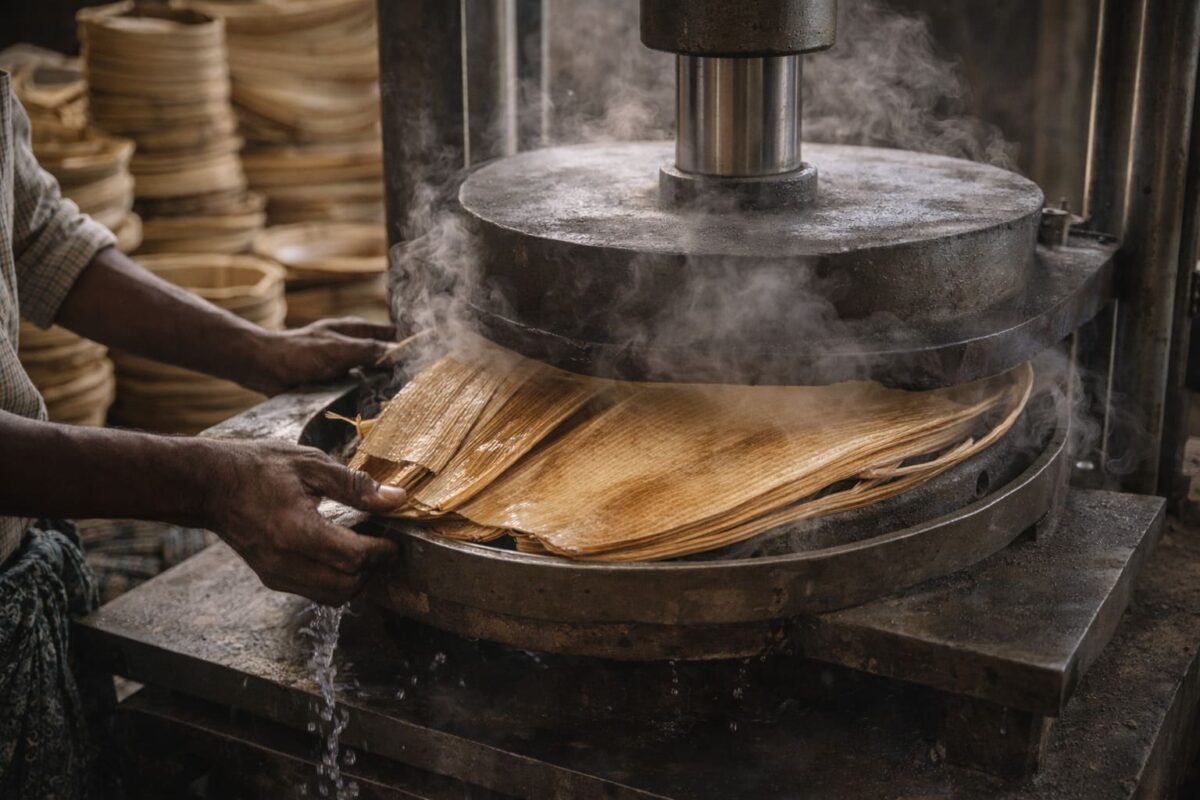
The wet pulp is fed into precision moulds and pressed under high temperature and high pressure. This thermoforming process bonds the plant fibres together into a dense, rigid structure. No adhesives, binders or plastic coatings are needed. The heat and pressure alone create the final strength and shape.

Drying and trimming

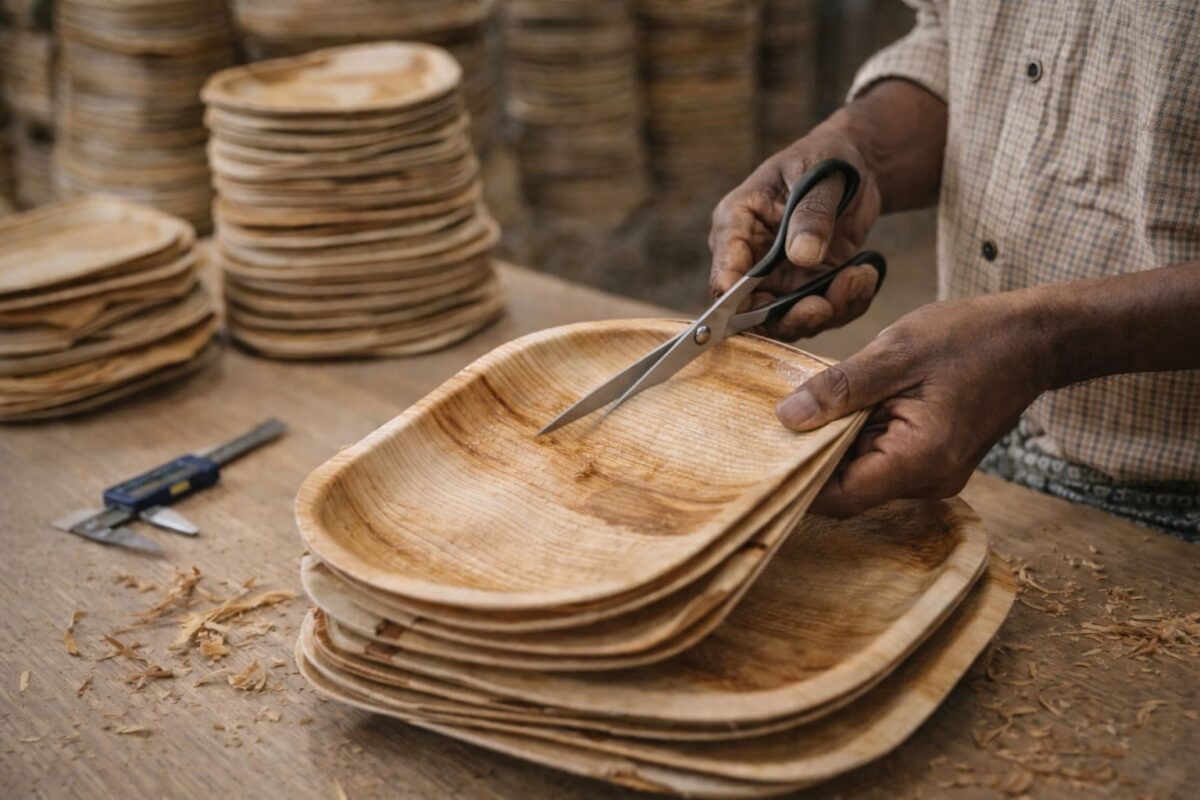
After moulding, the products are dried to remove remaining moisture, then trimmed to their final dimensions. Each piece is inspected for uniformity, structural integrity and surface quality. Defective items are removed and recycled back into the pulp stream.

Quality control and packing

Finished products go through visual and structural inspection before being shrink wrapped and packed into cartons. Cartons are palletised and shipped to our warehouses in the Netherlands and Germany, ready for EU distribution.

After use

Once used, every sugarcane bagasse product can be disposed of with organic waste or placed in a compost bin. In industrial composting, they break down fully within 60 to 90 days. In home compost, the process takes 3 to 6 months. Nothing harmful is left behind. No microplastics, no toxic residue, no lasting environmental footprint.

Why Sugarcane Bagasse Is the Material of Choice for Food Service

Upcycled sugarcane fibre delivers commercial-grade performance at a price point that makes the switch from plastic commercially viable. Here is what sets bagasse apart.

Naturally Compostable & Circular

Made from 100% plant fibre, our bagasse products biodegrade within 60 to 90 days. No microplastics, no toxic residue. A measurable improvement for businesses tracking waste diversion or reporting under ESG frameworks.

Heavy-Duty Performance

Thermoformed under extreme pressure into a dense fibre matrix. Holds heavy main courses, sauced dishes and oily foods without bending, leaking or softening. Microwave safe. Oven safe to 220°C. Freezer safe to -20°C.

Zero Chemicals, Zero PFAS

No PFAS, BPA, bleach, dye or plastic coating. Grease and moisture resistance comes from the natural properties of the bagasse fibre itself. Your customers eat off pure plant material. Nothing else.

Clean, Professional Presentation

Uniform white finish provides a professional backdrop for food presentation. Products stack neatly and nest efficiently, reducing storage footprint and creating visual consistency across your packaging range.

Cost-Effective at Wholesale Volumes

We manufacture in-house and ship from our own EU warehouses. No middlemen, no markup chain. Bagasse pricing is competitive with conventional disposables at bulk volumes. The compliance and brand benefit is a bonus.

Tree-Free and Carbon-Efficient

Every tonne of bagasse tableware saves approximately 2.5 tonnes of wood. The raw material is agricultural waste, not a purpose-grown crop. From sourcing to composting, the carbon footprint is a fraction of plastic packaging.

EU Regulatory Compliance Built In

Already meets PPWR PFAS limits (effective August 2026) and SUPD polystyrene restrictions. Switching to bagasse now means compliance before the deadline, not a scramble after it.

Who Can Use Sugarcane Bagasse Tableware & Food Containers?

Restaurants and takeaway operations

Plates, bowls and clamshells for dine-in, takeaway and third-party delivery. Products stack efficiently in tight kitchen spaces and perform under peak service pressure.

Catering Companies and Event Organisers

Weddings, corporate dinners, festivals and private functions. Professional finish that does not cheapen the occasion. After the event, everything composts. No sorting, no landfill.

Hotels and Institutional Food Service (HoReCa)

Breakfast buffets, room service, conference catering, school canteens, corporate cafeterias. Compartment trays and meal containers built for high-volume institutional service.

Food Trucks and Street Food Vendors

Clamshells, bowls and sauce cups for mobile food service. Built to handle outdoor conditions, transport, heat and grease. Lightweight, stackable, compostable.

Wholesalers and Packaging Distributors

Private label, custom packaging and white label solutions across the EU. Stock held at our NL and DE warehouses for fast fulfilment and shorter lead times.

Dark Kitchens and Delivery-only Brands

Food containers, clamshells and meal trays designed for third-party delivery. Stackable, leak proof and presentable on arrival. Microwave safe for reheating.

Custom Branding for Your Sugarcane Bagasse Products

Your packaging is part of your customer experience. We offer three customisation methods across our bagasse range, each suited to different branding goals and budgets.

Laser Printing

High-precision etching

Description

A laser beam vaporises the top layer of the bagasse surface, etching your design directly into the material without ink or chemicals.

Look

A high-precision, dark brown to charcoal mark with clean edges. Sharp and intentional on the white bagasse finish.

Precision

Excellent for intricate logos, fine text, QR codes and complex patterns. The uniform bagasse surface produces consistent results.

Pros & Cons

No chemicals or inks are used. Ideal for detailed designs while keeping the product 100% compostable and food-safe.

Engraving is subtle on lighter bagasse surfaces. Works best at sizes where fine detail is visible to the end customer.

Burn Mark

Heat Branding

Description

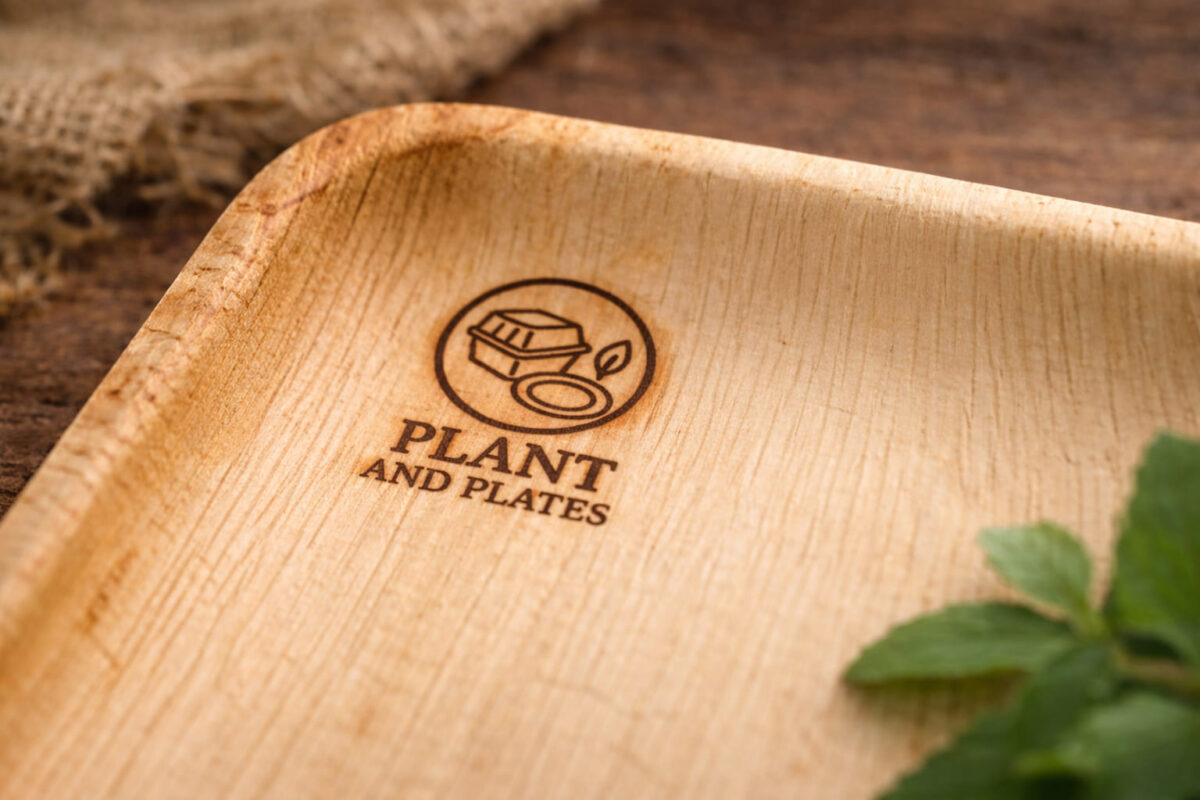
A heated metal die is pressed directly onto the bagasse surface, scorching your logo into the material in a single stamp.

Look

A deep, rustic, slightly “burnt” indentation with a warm brown tone. It feels handcrafted and carries a natural, artisanal character.

Precision

Best for bold, simple logos and text. The heat spreads slightly into the surrounding fibres, so very fine detail may lose definition.

Pros & Cons

Very fast for high-volume production. Offers a tactile, physical depth that flat printing cannot match. No ink required.

Requires a custom metal stamp for every design, adding to upfront cost. Not suited for multi-colour or photographic artwork.

Embossing

Pressure Stamping

Description

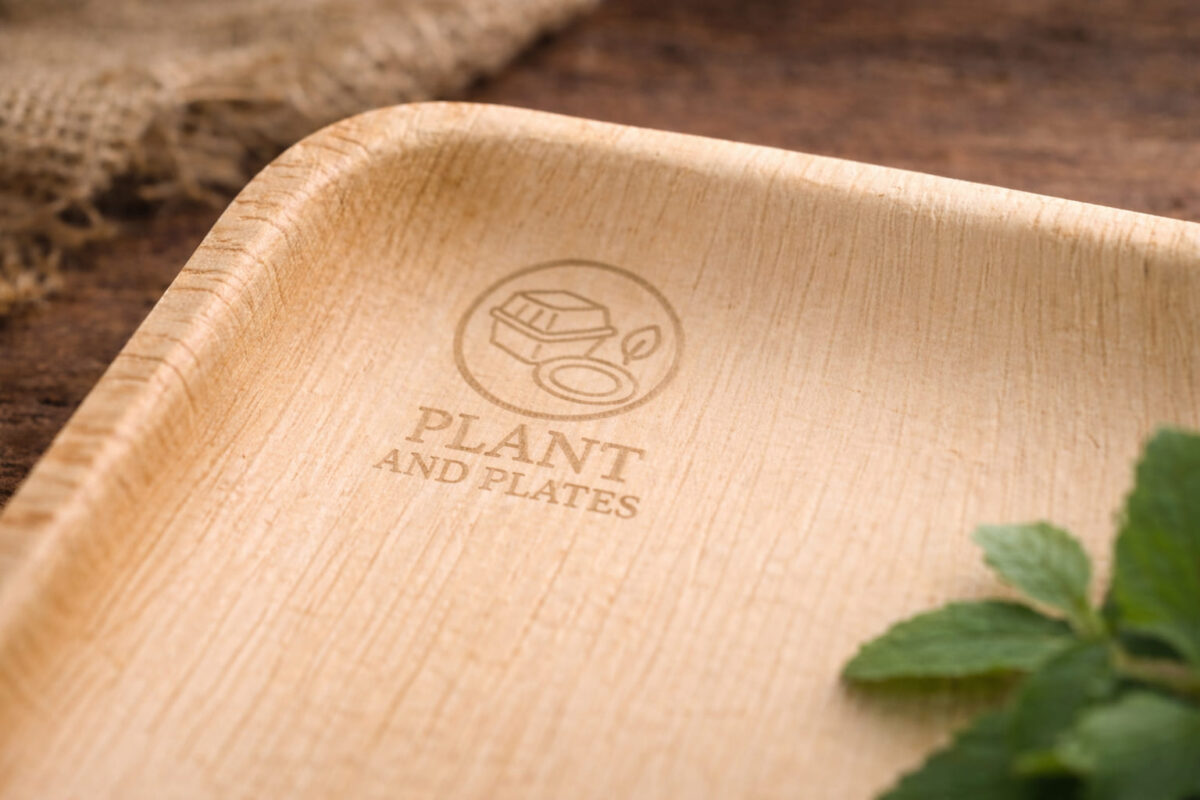
Your logo is etched onto the moulding die itself. During production, the bagasse pulp is shaped with the pattern built in.

Look

Subtle and elegant. A raised or recessed imprint that relies on shadow and texture rather than colour. Clean and professional.

Precision

Moderate. Works best for bold logos and simple patterns. Fine text below 8pt may not reproduce clearly in the pressed fibre.

Pros & Cons

The most integrated option. Branding is part of the product itself. No additional production step, ink or chemical needed.

Less visible than laser or burn mark in low-light settings. The mould is design-specific, so it cannot produce unbranded units.

Sugarcane Bagasse vs Plastic: A Direct Comparison

A side-by-side comparison of upcycled sugarcane fibre against petroleum-based polymers, covering performance, compliance and end-of-life.

Sugarcane Bagasse (Compostable & Disposable)

Made from petroleum-based chemicals (non-renewable)

100% upcycled sugarcane fibre, agricultural byproduct

Petroleum-based synthetic polymers,
finite resource

Biodegrades within 60 to 90 days in composting

Persists for 400 to 1,000 years

Low carbon footprint. Uses waste material, minimal energy processing

High carbon footprint. Fossil fuel extraction, refining and polymerisation

Verified PFAS-free, BPA-free, no chemical coatings

Potential for chemical leaching, BPA and phthalate content

Thermoformed under high pressure, heavy-duty rigidity

Variable strength. Polystyrene foam is fragile, PP is stronger

Suitable for hot foods. Microwave and oven safe to 220°C

May warp, melt or release fumes when heated or in contact with hot food.

Naturally resistant to grease and moisture, no coatings needed

Requires chemical or plastic coatings for moisture resistance

Clean white finish, professional presentation

Dated utility look, associated with cheap packaging

EU Compliance - SUP Directive and PPWR compliant

Subject to plastic taxes, bans and increasing restrictions

Composts with organic waste, no specialist disposal

Landfill fees, incineration costs, recycling contamination

The EU Packaging and Packaging Waste Regulation (PPWR) applies from August 2026. It introduces PFAS limits of 25 ppb individual and 250 ppb total for food contact packaging, along with restrictions on single-use plastic in food service. Our sugarcane bagasse products already meet every one of these requirements. Switching now means compliance before the deadline, not a scramble after it.

Your Bagasse Tableware Supplier & Manufacturer

Plant and Plates provides complete supply chain infrastructure for sugarcane bagasse tableware and food packaging across the EU. As a bagasse packaging manufacturer with our own production facility and warehouses, we cut out intermediaries and supply direct.

Direct-to-Factory Wholesale Pricing

We own our production facilities and source raw materials at the origin. No middlemen, no markup chain. You get factory-floor pricing that makes sustainability budget-neutral.

Scalable Supply & Flexible MOQs

From trial orders for a single cafe to bulk procurement for large-scale distributors, our supply chain adapts to your volume. Low MOQs for new accounts, high-capacity production for established partners.

Custom Branding & OEM/ODM Solutions

Laser-engraved logos, custom sizing and retail-ready packaging to your specifications. OEM and private label capabilities for wholesalers and distributors building their own product lines.

Localized EU Logistics & Short Lead Times

Warehouses in the Netherlands and Germany provide rapid fulfilment across the EU. Local stock eliminates international shipping delays, offering reliable delivery for your most time-sensitive operations.

Certifications and EU Compliance

Our sugarcane bagasse products are manufactured to meet EU food safety and environmental standards. Here is what that means in practice.

shield icon for certifications

PFAS Free

Contains no per- or polyfluoroalkyl substances. Meets PPWR limits (25 ppb individual, 250 ppb total) effective August 2026.

shield icon for certifications

Food Contact Safe

Compliant with EU Regulation 1935/2004. No harmful substances migrate into food. Safe for hot, cold, oily and wet food contact.

shield icon for certifications

Compostable

Breaks down fully within 60 to 90 days in industrial composting. Home compostable in 3 to 6 months. No microplastics generated.

shield icon for certifications

PPWR Ready

Aligned with EU Packaging and Packaging Waste Regulation 2025/40. Meets substance restrictions and compostability derogations. 

shield icon for certifications

SUPD Compliant

A direct replacement for polystyrene and EPS food containers restricted under the EU Single-Use Plastics Directive.

Trusted by Food Service Businesses Across the EU

We supply restaurants, caterers, event companies and wholesalers across the Netherlands, Germany, EU and USA. Every product is manufactured at our own facility and stocked locally for fast delivery.

Frequently Asked Questions About Sugarcane Bagasse Tableware & Food Containers

What is bagasse and where does it come from?

Bagasse is the dry, fibrous residue left after sugarcane stalks are crushed and their juice extracted. It is an agricultural byproduct produced by sugar mills worldwide. Rather than being discarded or burned, it is cleaned, pulped and moulded into tableware and food packaging.

Most bagasse tableware suppliers source from third-party factories in Asia and hold limited stock. Plant & Plates manufactures its own products and warehouses them in the Netherlands and Germany, which means consistent quality, shorter lead times and no minimum order surprises. If you are sourcing for the EU market, we supply direct to wholesalers, distributors and food businesses.

Our bagasse range includes plates (round, oval, square, compartment), bowls, clamshell containers, food containers with lids, meal trays, platters, cups and sauce cups. The full range is designed to cover every disposable product category a food service business needs.

Yes. All of our sugarcane bagasse products break down fully within 60 to 90 days in industrial composting facilities. They are also suitable for home composting, though the process takes longer (3 to 6 months). No microplastics or toxic residue are generated.

Yes. Bagasse is naturally grease resistant and waterproof without needing plastic liners, wax coatings or chemical treatments. Our products handle curries, fried foods, soups, sauced dishes and dressings without leaking, softening or collapsing.

Yes. All sugarcane bagasse products are microwave safe for reheating. They are also oven safe up to 220°C for short periods and freezer safe down to -20°C. This makes them suitable for meal prep, storage and reheating workflows.

No. Our entire sugarcane bagasse range is completely free of PFAS (per- and polyfluoroalkyl substances), BPA, bleach, dyes and plastic coatings. They meet the PFAS limits set by the EU PPWR regulation taking effect August 2026.

MOQ depends on the product type and whether you need custom branding. Standard products are available from stock at our EU warehouses. Contact us with your requirements and we will provide specific quantities and pricing.

Yes. We offer sample packs covering the full sugarcane bagasse range so you can test products with your own food and service setup before placing a bulk order.

We manufacture at our own facility in India and hold stock at our warehouses in the Netherlands (Baarn) and Germany. Orders ship from the nearest EU warehouse for fast delivery across the EU.

Yes. We offer three customisation methods: laser printing (food-safe ink), burn mark (heat branding) and embossing (structural imprint). Custom sizes and shapes are also available with a 4 to 6 week lead time for new moulds.

Bagasse plates are significantly stronger, more rigid and more moisture resistant than paper plates. Paper plates typically require wax or plastic coatings for grease resistance, which makes them non-compostable. Bagasse achieves grease resistance naturally, without coatings, and remains fully compostable.

At wholesale volumes, the per-unit cost difference between bagasse and conventional plastic disposables is minimal. When you factor in the compliance cost of continuing to use plastic (EU plastic taxes, PPWR penalties, brand reputation risk), bagasse is often the more cost-effective choice overall.

Ready to switch to compostable sugarcane bagasse?

Get factory direct pricing on our full compostable range. Free sample packs, EU warehouse delivery, custom branding available.